Some professionals think AI in recruiting is still early, but it is already changing the daily work of recruiting coordinators, and the shift is easy to see when you look at real customer data.
Across our customers at Automattic, GoPro, Relativity Space, Intercom, and others, we measured more than 12,000 actions taken by our fyi AI agent over the past year.
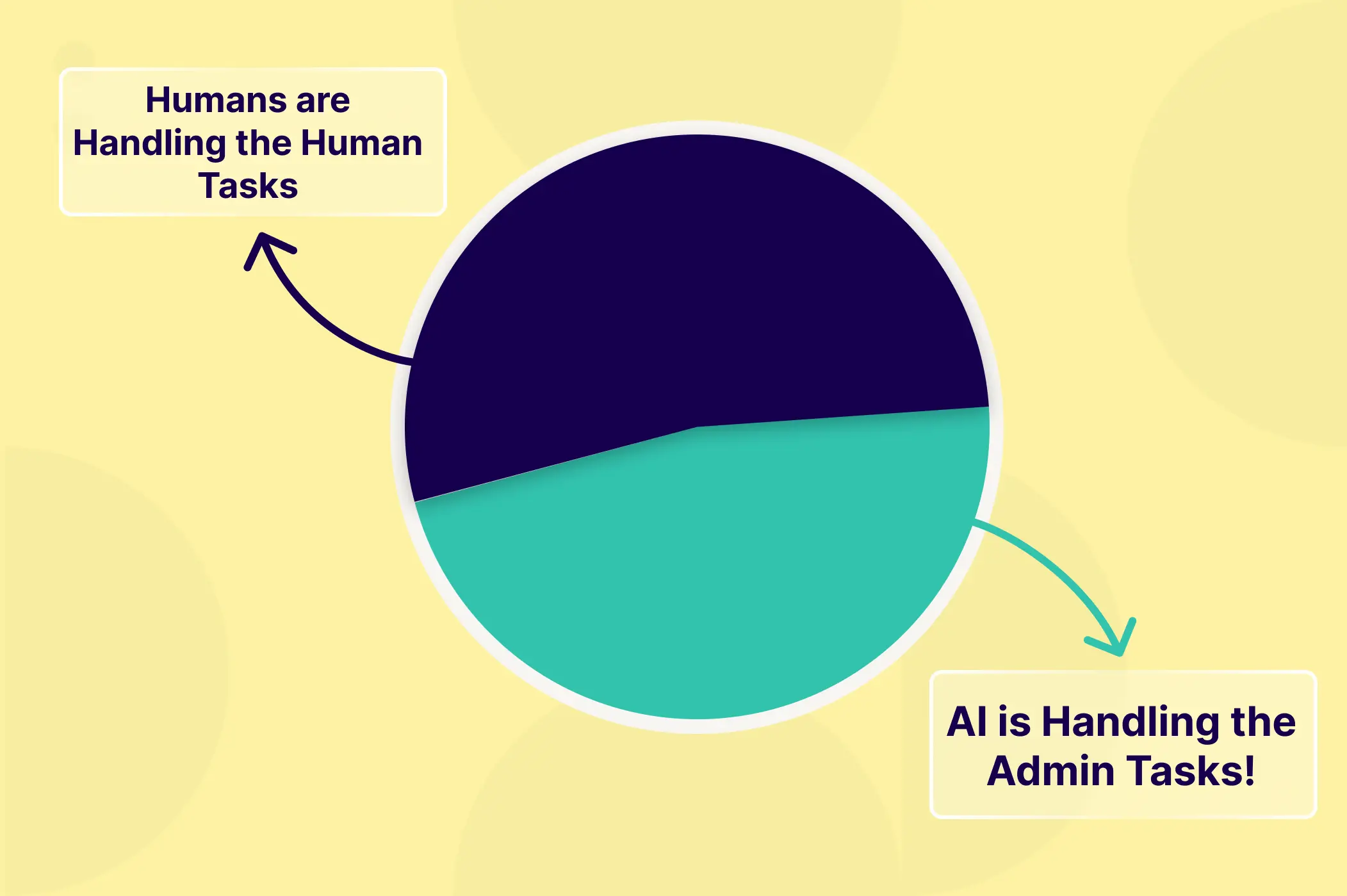
The AI agent handled 46 percent of all scheduling tasks.
And that number held steady across company size, hiring volume, and role type.
This is the clearest sign yet of where the recruiting coordinator role is heading in 2026. The work is changing because the load is changing. When half of the repetitive scheduling tasks disappear, the job opens up in a way many teams have been trying to achieve for years.
TL;DR (Quick Summary)
AI is already changing the recruiting coordinator workflow. Across customers like Automattic, GoPro, and Intercom, our fyi AI agent handled 46 percent of all interview scheduling tasks last year. That includes confirming times, sending reminders, finding replacements, checking availability, and syncing updates. This shift frees coordinators from a large amount of admin work and allows them to act as strategic partners who improve interview plans, support hiring managers, and shape candidate experience. In 2026, coordinators will spend more time advising and far less time repairing schedules.
The daily pressure on recruiting coordinators
If you talk to coordinators, a pattern shows up fast. Their workday is full of small tasks that build on each other until they feel overwhelming. A coordinator can start the morning with a clear schedule and watch it fall apart by lunch because people change plans, calendars update late, or candidates write in with a conflict.
The core tasks that fill their day look simple on the surface. They confirm interview times. They send reminders. They check calendars for conflicts. They look for backup interviewers. They chase people who have not replied. They update the ATS. They answer candidate questions. They send prep materials.
None of these tasks take long by themselves. They become heavy when they pile up at the same time.
Industry data shows how big this weight has become.
- Recruiters spend three quarters of their time on administrative tasks (Workday report)
- Scheduling alone takes between 30 minutes and two hours per interview for many teams (Gartner report)
How AI handled 46 percent of interview scheduling tasks
Since launch, the fyi AI agent has completed over 12,000 scheduling actions across our customers. When we broke down the tasks, the pattern became clear.
The AI agent handled 46 percent of the work.Candidates handled 26 percent of the work.Coordinators handled 28 percent.
This means nearly half of the coordination pressure that normally sits on a recruiter or coordinator now moves into automation. Tasks that used to take the most time were absorbed by the system.
The list includes:
- Confirming interview times
- Sending reminders
- Checking availability
- Detecting time conflicts
- Suggesting replacements
- Pulling interviewer capacity
- Syncing with the ATS
- Handling time zone adjustments
- Sending follow up instructions
- Tracking responses
- Closing the loop on scheduling steps
These are the parts of the job that tend to interrupt deep work. They appear suddenly and often, which is why they drain so much energy. When the quiet background work shifts into automation, the day-to-day job of a coordinator changes.
This is the shift that matters most for 2026.
Unlock the Future of Recruiting— Book a Demo Today!


How the data compares to industry benchmarks
Across the industry, automation sits between 25 and 50 percent for most teams. Only eight percent of teams report automation levels above 50 percent. Many companies remain early in their adoption curve.
This means the teams using candidate.fyi are already operating near the top of current industry automation. They are not behind.
Our customer’s are relying on the fact that:
- When a replacement interviewer appears instantly, the coordinator avoids thirty minutes of searching.
- When a candidate sees their schedule update in real time, their confidence increases.
- When reminders fire automatically, fewer interviews slip.
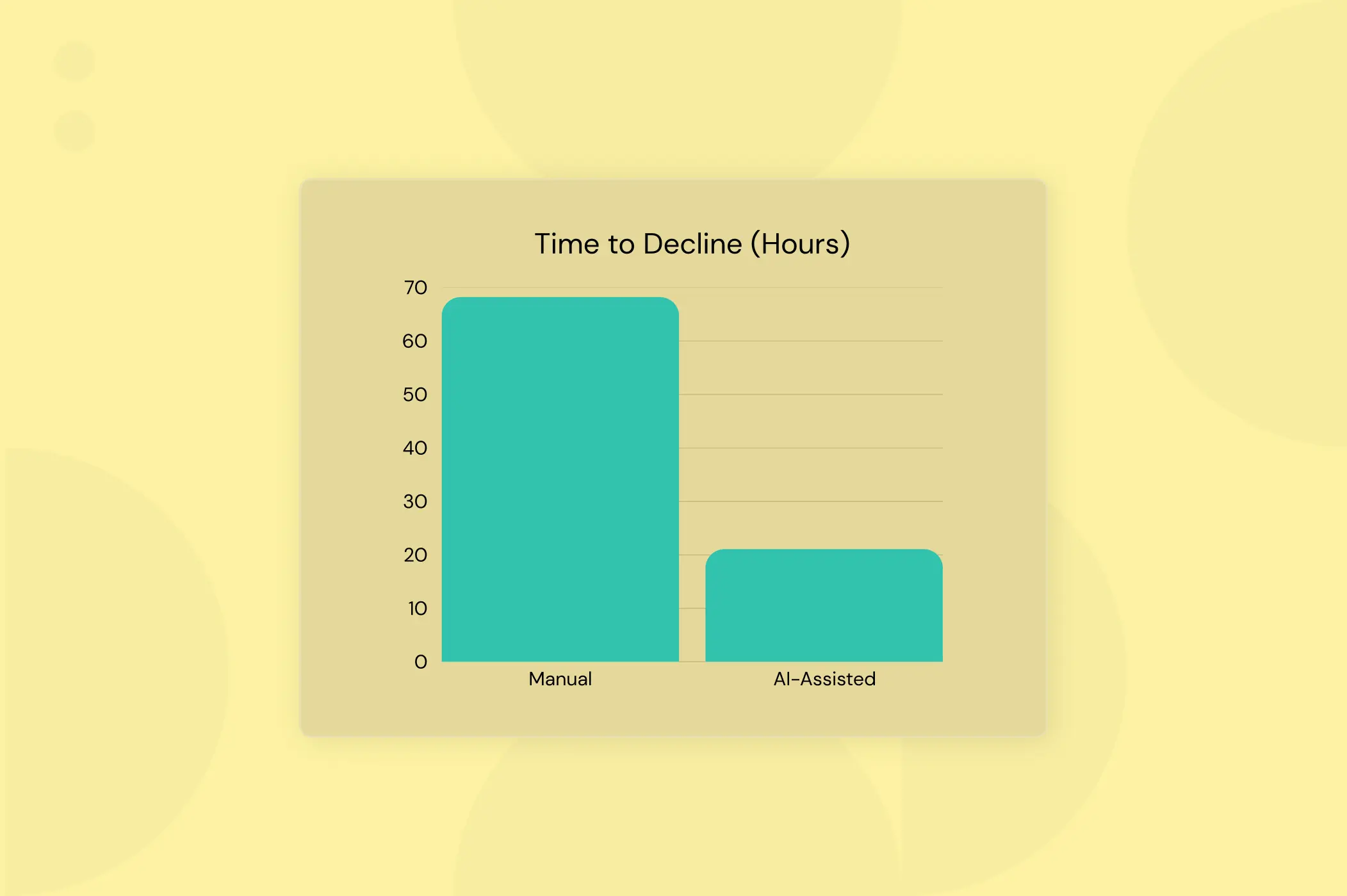
This is how schedules go from five to seven days of back-and-forth to 24 hours to first interview.
What this frees recruiting coordinators to do
When coordinators talk about their role, a consistent theme shows up. They want to spend more time improving the process, partnering with managers, and shaping the candidate experience. They want to bring their judgment and insight into conversations where it matters.
The barrier has always been time.
Admin tasks cut into every part of the day.
Once that load is cut in half, the role expands.
Joel Lalgee describes the shift this way:
“Going from order taker to strategic partner is a major challenge. You need to understand the business, the goals, and what the team needs in the next quarter.”
That shift becomes possible when the calendar does not control the entire week.
And Jeremy Lyons explains what this looks like inside recruiting operations:
“We are finally thinking with a product mindset. We define the user and design the flow. That is what makes us a strategic partner.”
What is changing in the recruiting coordinator workflow in 2026?
The coordinator in 2026 will spend less time on tasks that interrupt the day and more time on work that moves the hiring strategy forward. Their influence will grow because their time is no longer tied to the calendar.
Here is the outline that is already forming:
- More partnership with hiring managers
- More clarity in interview plan design
- More attention to fairness and load balancing
- More focus on candidate context
AI recruiting tools are clearing the path for the coordinator to do the work that only a person can do.
Closing
If the past year is any indication, the next year will bring an even larger shift in how interview scheduling and candidate experience are managed. The work that used to take hours is already moving into automation. The work that requires judgment is rising in importance.
Recruiting coordinators are becoming strategic partners, and the companies that support this shift will hire faster, communicate better, and retain more talent.
FAQ
1. How is AI helping recruiting coordinators today?
AI takes on repetitive scheduling tasks that normally interrupt a coordinator’s day. This includes confirming interview times, sending reminders, checking for conflicts, finding backup interviewers, and tracking responses. When these tasks move into automation, coordinators can focus on advising managers and improving candidate experience.
2. What interview scheduling tasks can be automated with AI?
AI can automate many tasks that pull coordinators into constant back-and-forth work. Examples include confirming time slots, sending reminders, adjusting for time zones, checking interviewer capacity, suggesting replacements, syncing with the ATS, and updating candidates through the portal.
3. How much time can AI save recruiting teams?
Based on internal data from October 2024 to October 2025, the fyi AI agent handled 46 percent of all scheduling tasks across more than twelve thousand actions. Industry research shows that scheduling can take between 30 minutes and two hours per interview. Automation removes a large amount of this overhead and reduces the cycle from several days of back-and-forth to same-day booking.
4. How does AI improve candidate experience?
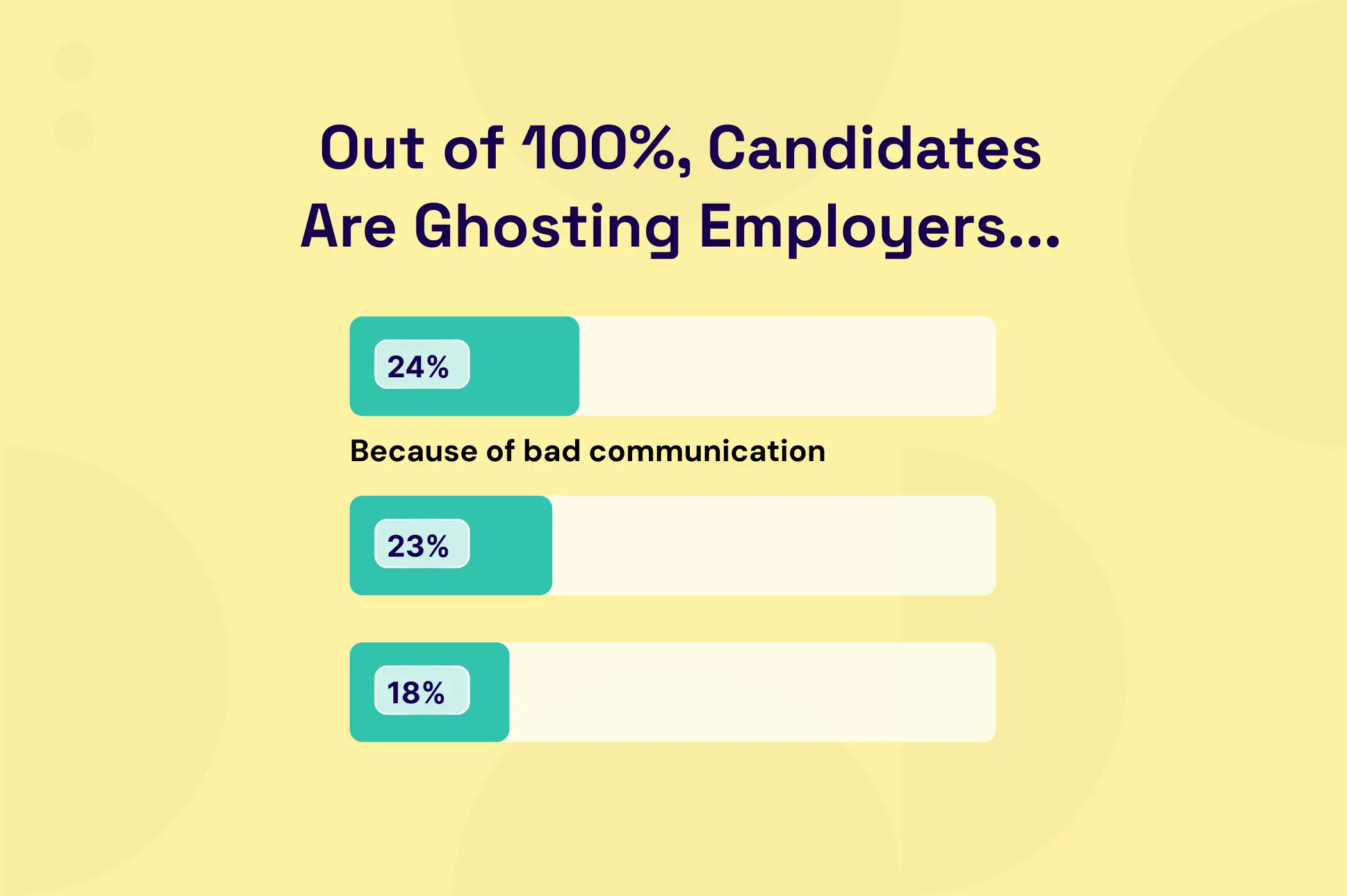
AI reduces the delays that often push candidates away. It sends confirmations faster, updates schedules in real time, handles reminders, and helps keep communication clear. When candidates receive timely updates, trust increases and ghosting rates drop.
5. What will the recruiting coordinator role look like in 2026?
Coordinators will spend less time on admin work and more time acting as strategic partners. They will improve interview plans, coach hiring managers on process, support internal mobility, and focus on fairness and consistency across interviewers. The role will grow in influence as automation takes on the repetitive work.